What is Ultherapy?
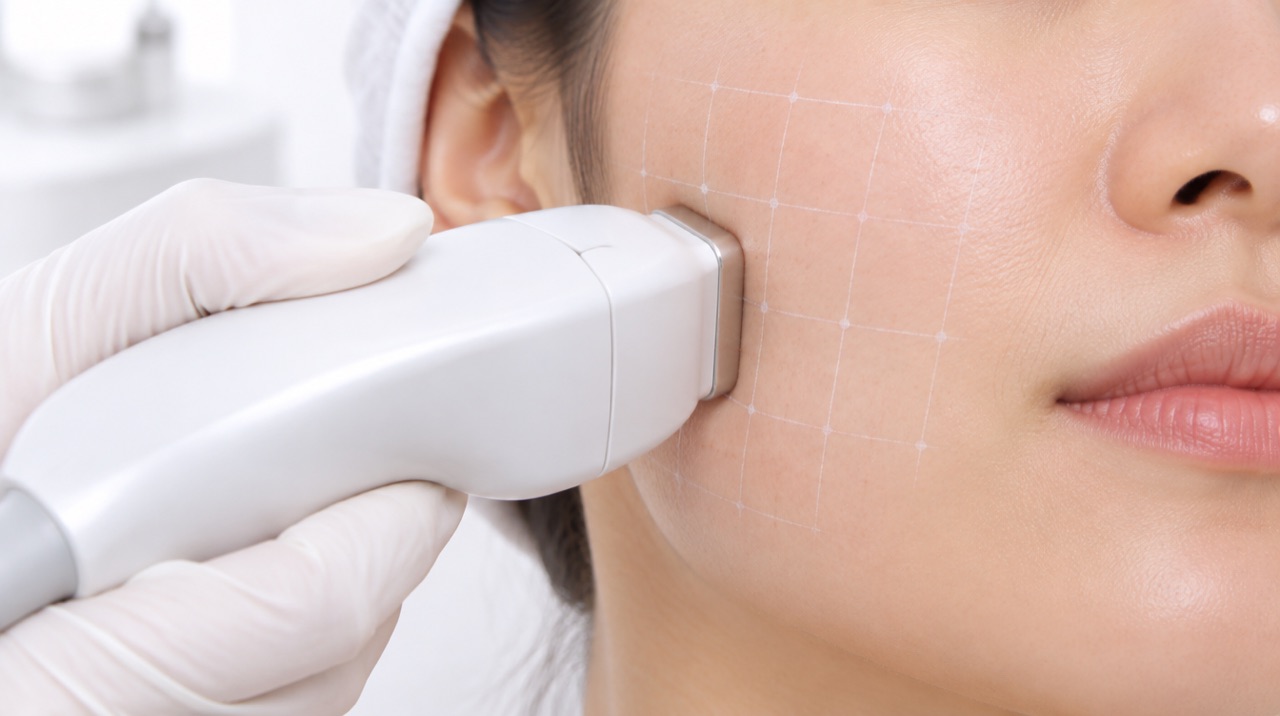
Ultherapy, made by Merz Aesthetics, delivers focused ultrasound energy to precise depths beneath the skin without cutting the surface. Each “shot” creates a line of tiny heated points. The body responds by producing new collagen and tightening the treated tissue over the following months.
What sets it apart from other ultrasound lifting devices is built-in imaging: the practitioner sees the layers of your skin on a screen and can aim the energy at the intended depth. The transducers reach roughly 1.5 mm, 3.0 mm and 4.5 mm, the deepest of which targets the same fibrous layer that surgeons tighten in a facelift.
What is Ultherapy Prime?
Ultherapy Prime is the current generation of the device. It keeps the same treatment principle but has a redesigned system with sharper imaging and faster operation. Seoul clinic menus increasingly list “Ultherapy Prime” by name. If a clinic advertises simply “Ulthera”, ask which generation of device it uses and whether the transducers are genuine.
How many Ultherapy shots do I need?
In Korea Ultherapy is sold by shot count, and menus tie shot counts to areas. Typical groupings on Seoul clinic menus look like this:
| Shots | Area usually covered |
|---|---|
| Around 100 | Eye and brow area |
| Around 200 | Double chin and jawline |
| Around 300 | Lower face |
| Around 400 | Full face |
| 500 to 600 | Full face and neck |
The right number depends on face size, skin thickness and degree of laxity, and is a medical decision. Be cautious of comparing quotes by total price alone: a lower price often reflects fewer shots.
What does Ultherapy treat?
Ultherapy is aimed at sagging and loss of lift: early jowls, a softening jawline, heavy cheeks, a dropping brow and laxity under the chin. It is also used for the double chin and jawline and, with a dedicated small transducer, around the eyes. It suits people with mild to moderate laxity who are not ready for surgery. It is not designed for skin texture, pigmentation or pores, which is why clinics often pair it with a skin booster such as Rejuran.
What does an Ultherapy session feel like?
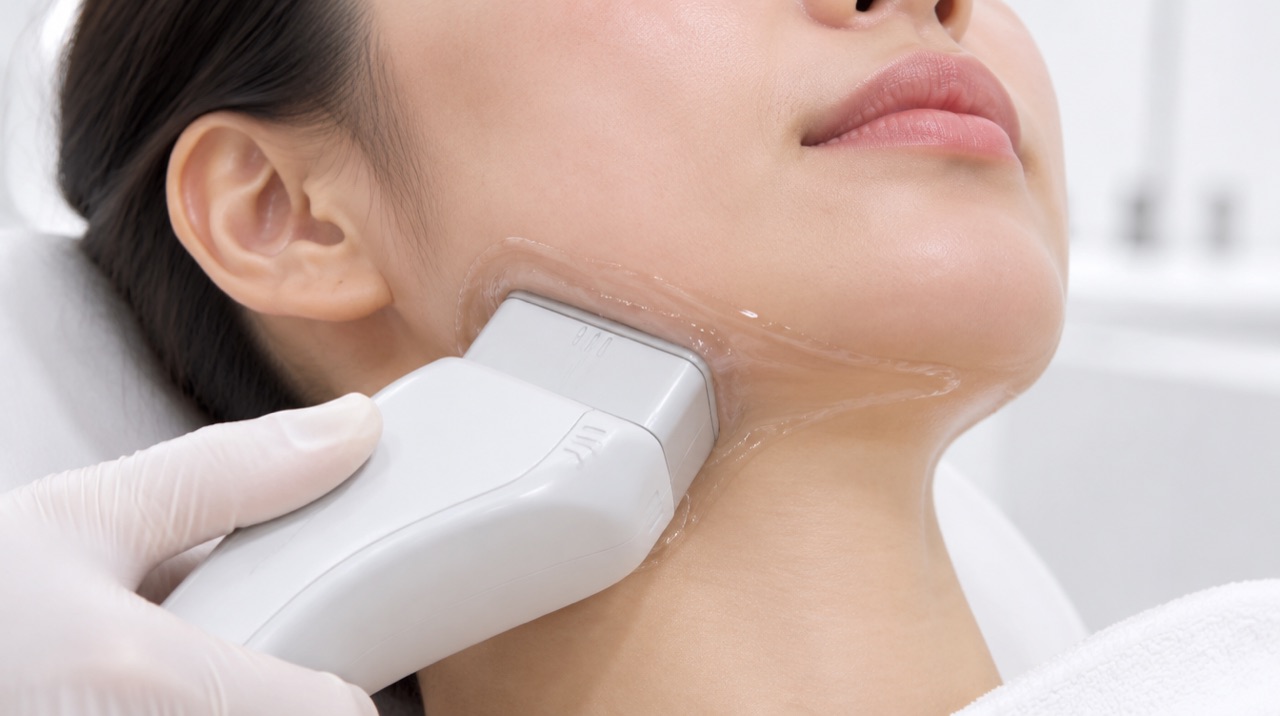
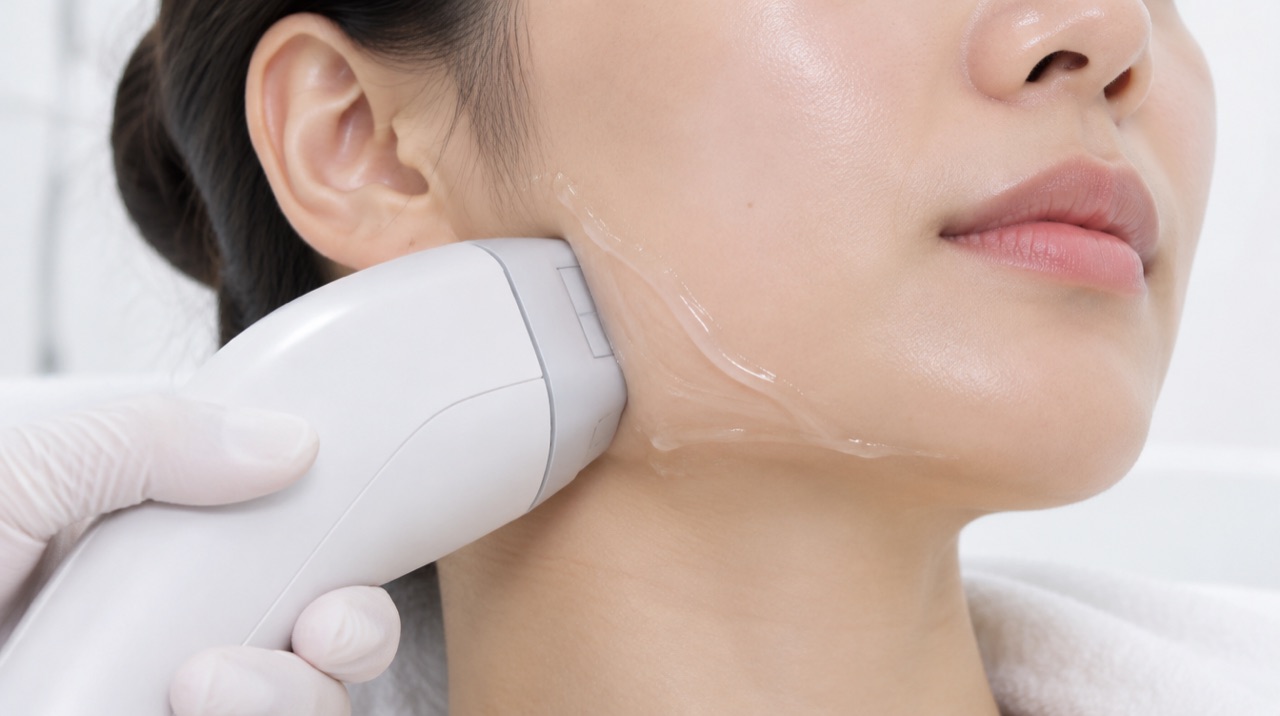
After cleansing and consultation, numbing cream is applied; some clinics also offer oral pain relief or sedation. The practitioner marks treatment zones, applies ultrasound gel and delivers the shots line by line. You feel brief, deep heat and a prickling ache, strongest along the jawbone and forehead. Pain tolerance varies widely, so discuss pain control in advance rather than on the day.
Ultherapy downtime, results and how long it lasts
Most people return to normal activities immediately. Temporary redness, swelling, tenderness or tingling can last from a few days to a couple of weeks, and occasional bruising or brief numbness is reported. This makes Ultherapy one of the easiest treatments to fit into a short trip.
Do not expect an instant change. Any early tightening is mostly swelling. The real result develops over two to three months as collagen forms and can continue improving for up to six months. Clinics generally suggest repeating it every 12 to 18 months. You will be judging the outcome long after you have flown home, which is a reason to choose the clinic carefully.
Ultherapy vs Thermage vs Shurink
| Treatment | Energy | Main aim |
|---|---|---|
| Ultherapy | Focused ultrasound with imaging | Lifting from the deep support layer |
| Thermage FLX | Monopolar radiofrequency | Tightening and firming the skin itself |
| Shurink | Focused ultrasound, Korean-made, no imaging | Lifting at a lower cost, repeated more often |
Because Ultherapy and Thermage work at different depths, Seoul clinics often sell them together as a combined lifting package.
Risks, and checking the device is genuine
Possible side effects include prolonged tenderness, bruising, temporary nerve irritation causing weakness or numbness, and, rarely, burns or loss of facial fat when energy is delivered incorrectly. People with open wounds, severe acne in the area or certain implants should not be treated, and it is not performed during pregnancy.
Ask the clinic to show you the device and the transducer, confirm it is a genuine Ultherapy system, and ask who performs the treatment. A doctor-performed session with imaging used throughout is the standard to look for.
Booking Ultherapy in Seoul as a visitor
Most Seoul skin clinics that treat international patients take Ultherapy bookings through an English web form or by WhatsApp, KakaoTalk or LINE. Send your concerns, a few clear photos and your travel dates, ask for a written quote that names the exact product or device and the amount, and bring your passport on the day. Leave a few days between treatment and your flight where you can, so the clinic can check you if anything needs attention.
Not sure whether Ultherapy is the right choice? Answer 12 quick questions for a personalised plan, compare skin clinics in Seoul, or read the complete guide to skin treatment in Korea.
Ultherapy in Korea: frequently asked questions
Does Ultherapy hurt?
Most people find Ultherapy uncomfortable, especially over bone along the jaw and forehead. Numbing cream, oral pain relief or sedation are commonly offered in Seoul clinics, so ask what is included.
How long does Ultherapy last?
Results develop over two to three months and clinics typically recommend repeating the treatment every 12 to 18 months, since skin continues to age.
How many shots of Ultherapy for a full face?
Seoul clinic menus commonly list around 400 shots for a full face and 500 to 600 for the face and neck. The exact number is decided by the doctor based on your face.
Can I fly right after Ultherapy?
There is usually no visible downtime, so many visitors have it done during a short stay. Mild swelling or tenderness can last several days.
Is Ultherapy better than Thermage?
Neither is better overall. Ultherapy targets deeper layers for lift, while Thermage tightens and firms the skin. Many clinics recommend one or both depending on whether sagging or skin laxity is the main issue.
This guide is general information for travellers, not medical advice. Product details and clinic practices change, and suitability, dose and settings are decided by a licensed doctor after examining your skin.