What is pico toning?
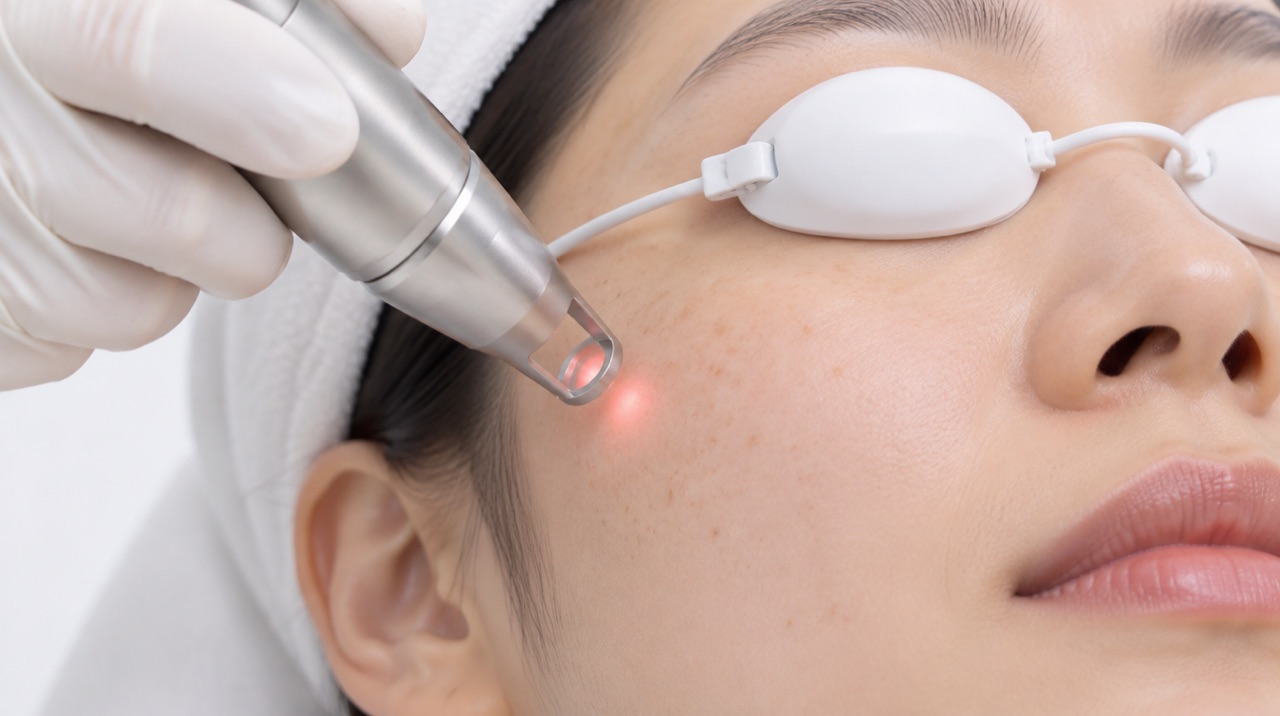
A picosecond laser fires pulses measured in trillionths of a second. Pulses that short shatter pigment particles mainly by pressure rather than by heat, so the surrounding skin is heated less than with older nanosecond (Q-switched) lasers. The fragments are then cleared gradually by the body.
“Toning” describes how the laser is used: low energy, a large spot size and several passes over the whole face, repeated across many sessions. It is the opposite of spot removal, which uses high energy on one mark and leaves a scab. Toning aims for steady, cumulative brightening with no visible recovery.
Which pico lasers do Korean clinics use?
Clinic menus may list the treatment simply as pico toning or by the name of the machine. Devices you may see in Seoul include PicoSure, PicoWay, PicoPlus and Picocare, along with other Korean-made systems. They differ in wavelength, most commonly 1064 nm for toning with 532 nm or 755 nm available for surface pigment, and in pulse duration.
The device matters less than how it is used. Settings chosen for your skin tone and type of pigmentation, and a doctor who adjusts them from session to session, are what determine the result. Ask which device the clinic uses and why.
What does pico toning treat?
Pico toning is used for pigmentation in general: melasma, freckles, diffuse sun damage, post-inflammatory marks left by acne, and overall dullness. Visitors searching for “skin whitening in Korea” are usually offered toning; it evens tone and fades excess pigment but does not change your natural skin colour.
Well-defined individual sun spots and moles respond better to dedicated spot lasers, which do leave a scab. See pigmentation and brightening treatments for the difference. Many clinics also apply a fractional pico handpiece for pores and texture, which is a different, stronger treatment with some downtime.
Why melasma needs a careful plan
Melasma is driven by hormones, sun and heat, and it behaves differently from ordinary sun spots. Aggressive laser treatment can make it darker or cause patchy light spots. This is why Korean dermatologists favour low-energy toning repeated over many weeks, usually combined with prescription creams, oral medication where appropriate and strict sun protection.
If you have melasma, a short trip is not enough time for a full course. A realistic plan is one or two sessions in Seoul to start, with a clear programme to continue at home. Be wary of any clinic promising to clear melasma in a single visit.
What a pico toning session is like
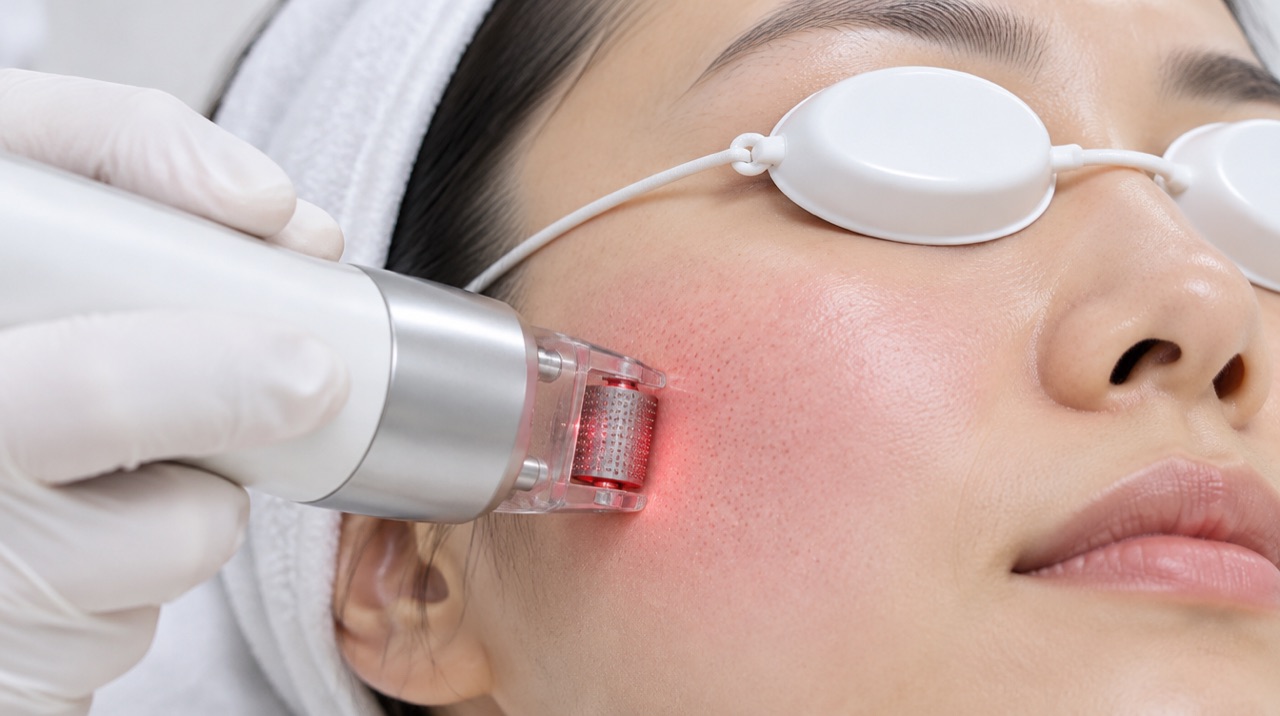
- Cleansing and, at many clinics, skin imaging to map pigment.
- Consultation to confirm the type of pigmentation.
- Eye shields are placed; numbing cream is often unnecessary for toning.
- The laser is passed over the face for around 10 minutes. It feels like fine, quick snaps with warmth, and you may hear rapid clicking.
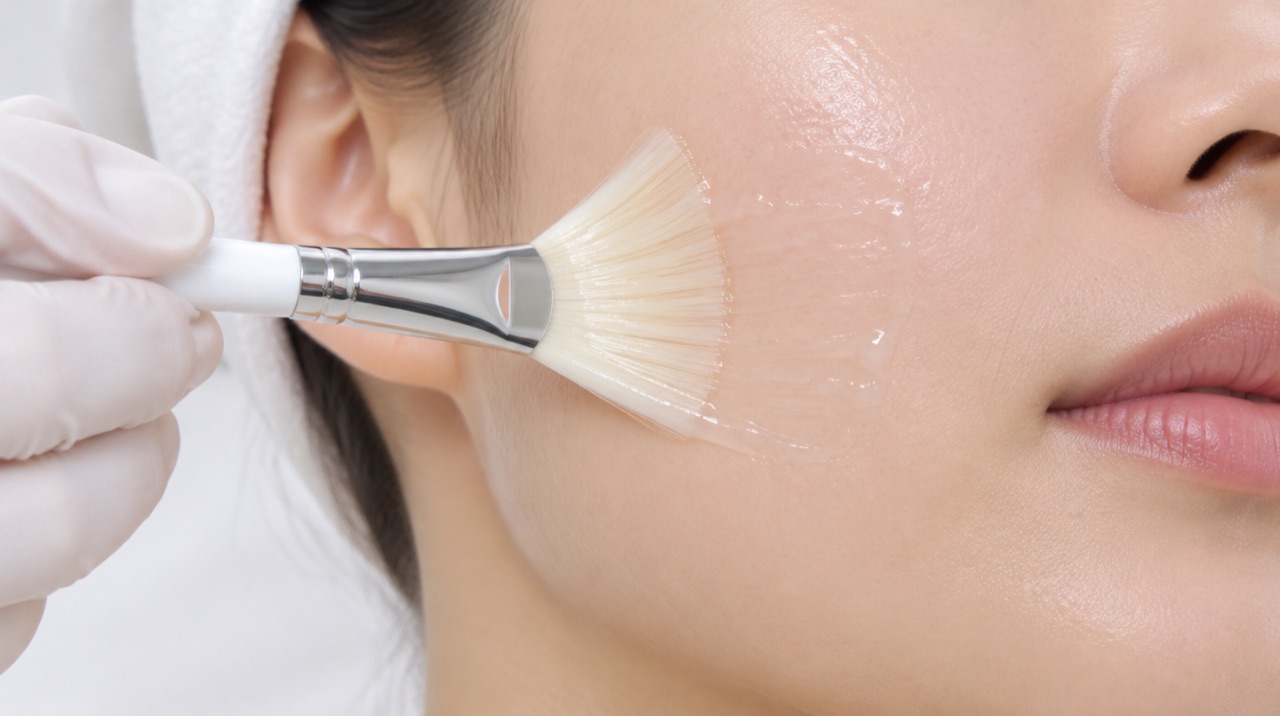
- Soothing care, often a calming mask, and sunscreen.
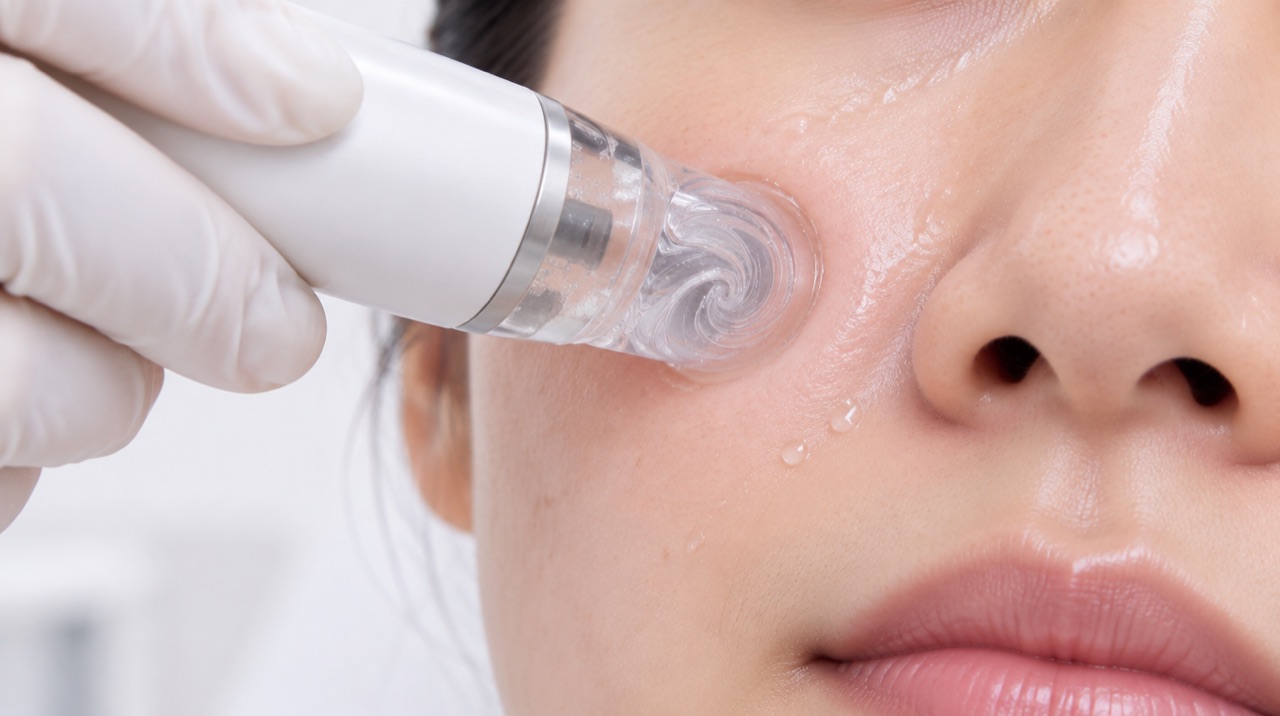
Clinics frequently bundle toning with a peel or ultrasound-based calming treatment in a single programme.
Downtime and aftercare
Mild redness and warmth usually settle within an hour or two, and makeup can be worn the next day or sooner. This makes pico toning easy to schedule on any day of a trip, including the last.
Sun protection is the main aftercare. Use a high-protection sunscreen daily, wear a hat while sightseeing and avoid sunbathing. Skip exfoliating acids and retinoids for a few days if your skin feels sensitive.
How many sessions, and what results to expect
Toning is cumulative. Clinics typically sell it in packages of five or ten sessions, spaced one to four weeks apart. A single session mostly gives a temporary brightness; visible fading of pigment generally needs several sessions. Results are maintained with sun protection and occasional top-up sessions.
Risks and who should take extra care
Complications are uncommon when settings are conservative, but they include rebound darkening, patchy light spots after too many or too strong sessions, and irritation. People with darker skin tones have a higher risk of pigment changes and should ask about the clinic’s experience with their skin type. Tell the doctor if you have taken isotretinoin recently, are pregnant, have a recent tan, or are using photosensitising medication.
Booking Pico toning in Seoul as a visitor
Most Seoul skin clinics that treat international patients take Pico toning bookings through an English web form or by WhatsApp, KakaoTalk or LINE. Send your concerns, a few clear photos and your travel dates, ask for a written quote that names the exact product or device and the amount, and bring your passport on the day. Leave a few days between treatment and your flight where you can, so the clinic can check you if anything needs attention.
Not sure whether Pico toning is the right choice? Answer 12 quick questions for a personalised plan, compare skin clinics in Seoul, or read the complete guide to skin treatment in Korea.
Pico toning in Korea: frequently asked questions
Does pico toning hurt?
Most people describe quick, light snapping with warmth. Toning uses low energy, so numbing cream is often not needed.
How many pico toning sessions do I need?
Clinics commonly recommend five to ten sessions spaced one to four weeks apart. One session gives a short-lived brightening rather than lasting pigment reduction.
What is the difference between pico toning and laser toning?
Traditional laser toning uses nanosecond Q-switched lasers, while pico toning uses shorter picosecond pulses that break pigment with less heat. Both are low-energy, multi-session treatments.
Can pico toning remove melasma permanently?
No treatment cures melasma permanently. Toning can lighten it, but it tends to return with sun, heat and hormonal triggers, so ongoing maintenance and sun protection are needed.
Is pico toning safe for darker skin?
It can be used on darker skin with conservative settings, but the risk of pigment changes is higher. Ask about the clinic’s experience with your skin tone before booking.
This guide is general information for travellers, not medical advice. Product details and clinic practices change, and suitability, dose and settings are decided by a licensed doctor after examining your skin.