How Botox works
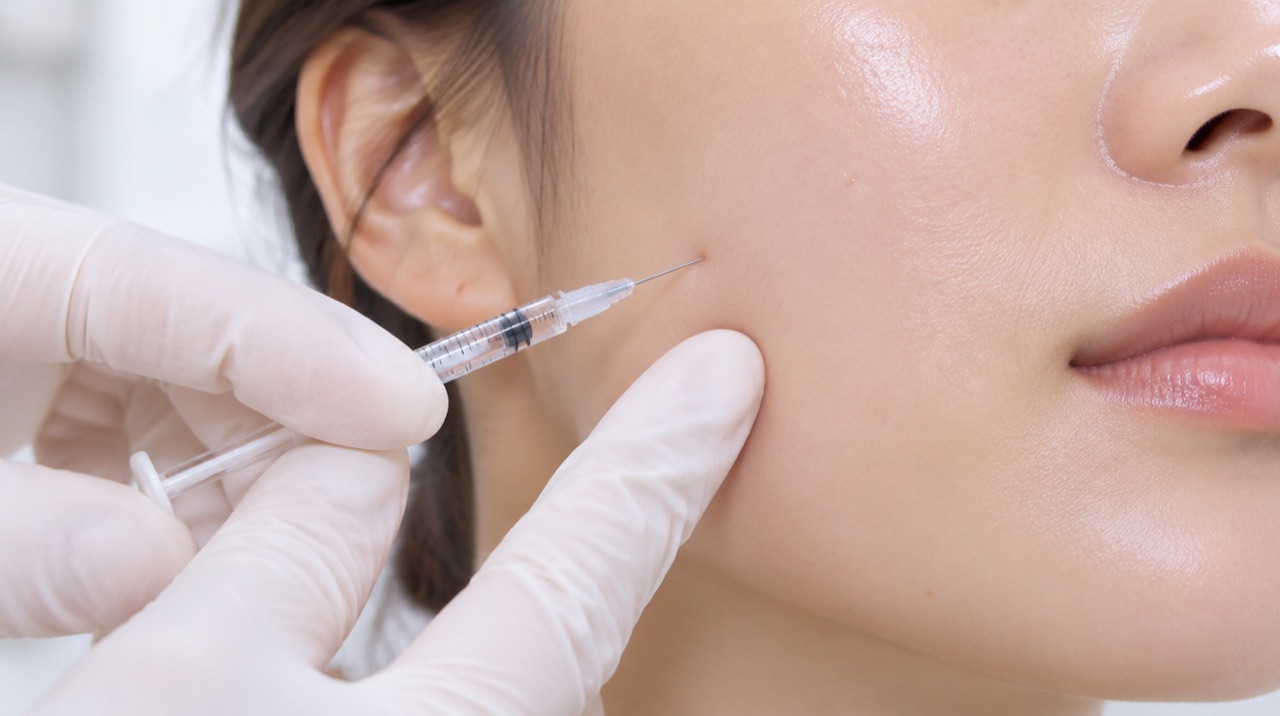
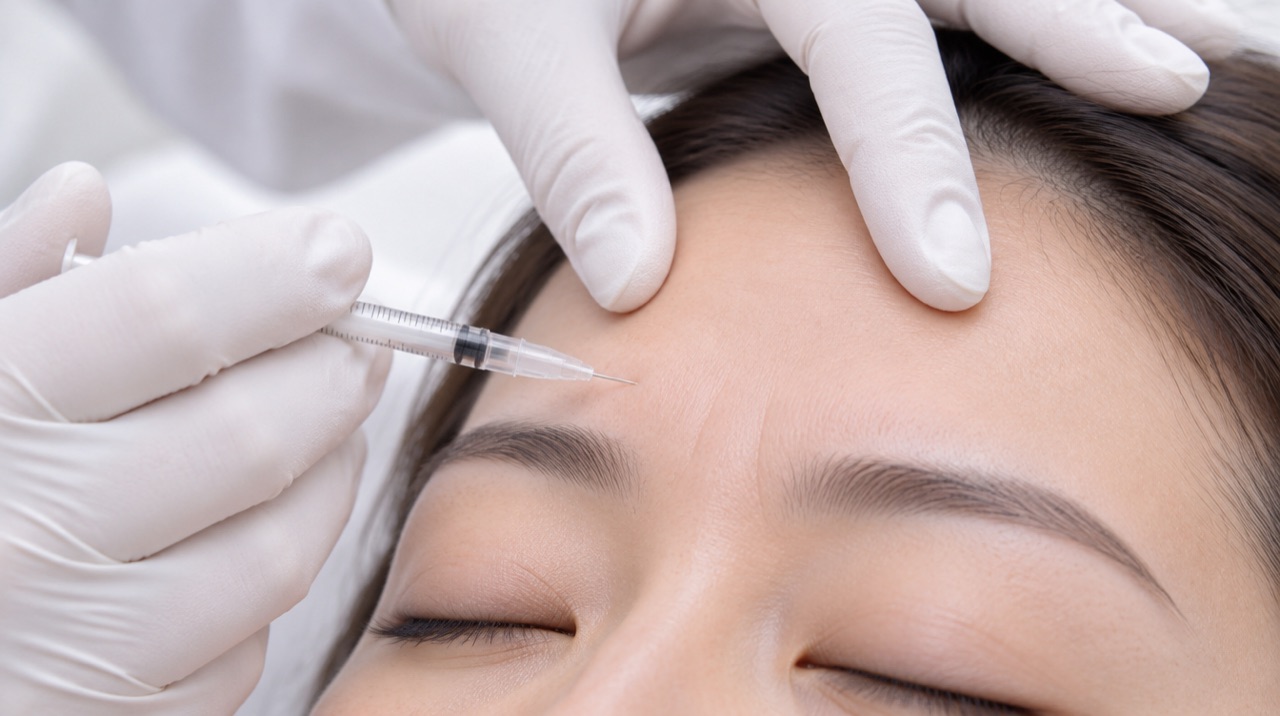
Botulinum toxin temporarily blocks the signal between a nerve and the muscle it controls. The treated muscle relaxes, so the skin above it stops creasing, or, in the case of the jaw, the muscle gradually shrinks from reduced use. The effect wears off as the nerve endings recover, which is why treatment is repeated.
“Botox” is strictly the brand name of Allergan’s product, but in Korea, as elsewhere, the word is used for all botulinum toxin injections.
Korean vs imported Botox brands
Seoul menus usually price toxin in two tiers: domestic and imported. Domestic products are made by Korean manufacturers and are widely used locally; imported products come from Europe or the United States and cost more.
| Tier | Examples you may see on menus |
|---|---|
| Korean (domestic) | Botulax, Nabota, Meditoxin, Coretox |
| Imported | Botox (Allergan), Xeomin, Dysport |
Units are not interchangeable between every brand, so a unit count only means something alongside the brand name. Ask for both on your quote. Some people choose a toxin without complexing proteins, such as Xeomin or Coretox, hoping to lower the chance of resistance with repeated use; discuss with the doctor whether that matters for you.
Treatment areas offered in Seoul
| Area | Purpose |
|---|---|
| Forehead, frown lines, crow’s feet | Soften expression lines |
| Masseter (jaw) | Slim a wide or square jawline, ease clenching |
| Skin botox | Tiny shallow doses for pores, oil and fine surface lines |
| Chin, nose, lip corners | Smooth a dimpled chin, bunny lines, downturned mouth |
| Salivary gland | Reduce fullness below the ear or jaw from enlarged glands |
| Trapezius and calves | Slim bulky shoulder or calf muscles |
| Underarms | Reduce excessive sweating |
Jaw, skin and body applications are far more routine in Korea than in many Western countries, which is part of the appeal for visitors.
What is skin botox?
Skin botox, sometimes called dermotoxin or micro-botox, places very diluted toxin just under the surface of the skin in a grid of tiny injections rather than into the muscle. The aim is a smoother, tighter-looking surface, less oil and smaller-looking pores, without freezing expression. Clinic menus quote it by cc for the jawline or the full face, and often bundle it with a skin booster such as Rejuran. It leaves small bumps and marks for a day or so, more than standard wrinkle botox.
The appointment
A consultation covers your concerns, expression habits and any previous toxin treatment. The doctor may ask you to frown, raise your brows and clench your teeth to map the muscles. Numbing cream or ice is optional for wrinkle areas. The injections themselves take a few minutes with a very fine needle. You can usually leave straight away.
Downtime, aftercare and flying
Small red marks fade within hours; a bruise is possible. Clinics commonly advise staying upright for about four hours, not rubbing or massaging the area that day, and avoiding strenuous exercise, saunas and alcohol for a day or so.
There is no general restriction on flying after Botox. The practical issue for visitors is timing: because the result takes up to two weeks to settle, you will usually be home before you can judge it or have a touch-up. Starting with a conservative dose is sensible when follow-up is not possible.
How long results take and last
Wrinkle areas begin to relax within three to seven days and reach full effect at about two weeks, lasting around three to four months. Jaw slimming is slower: the muscle takes four to eight weeks to reduce visibly, and the effect can last up to six months. Skin botox tends to last a shorter time, often two to three months.
Risks and safety checks
Side effects are usually temporary: bruising, headache, heavy brows or a drooping eyelid, an uneven smile after lower-face injections, or chewing fatigue after jaw treatment. Very frequent or high-dose treatment may lead to resistance, where the toxin stops working. Botox is not given during pregnancy or breastfeeding, or to people with certain neuromuscular disorders.
Check that a licensed doctor injects, that the vial is a genuine, approved product, and that the brand and number of units are written on your record so that a doctor at home knows what you had.
Booking Botox in Seoul as a visitor
Most Seoul skin clinics that treat international patients take Botox bookings through an English web form or by WhatsApp, KakaoTalk or LINE. Send your concerns, a few clear photos and your travel dates, ask for a written quote that names the exact product or device and the amount, and bring your passport on the day. Leave a few days between treatment and your flight where you can, so the clinic can check you if anything needs attention.
Not sure whether Botox is the right choice? Answer 12 quick questions for a personalised plan, compare skin clinics in Seoul, or read the complete guide to skin treatment in Korea.
Botox in Korea: frequently asked questions
Is Korean Botox as good as imported Botox?
Korean brands are approved by Korea’s regulator and used very widely there. Imported brands have a longer international track record and cost more. Many doctors consider the injector’s skill and correct dosing more important than the brand.
How long does Botox last?
Wrinkle botox typically lasts three to four months, jaw botox up to about six months and skin botox around two to three months. It varies by person, dose and area.
Can I fly after getting Botox?
Yes, there is no general restriction. Clinics usually advise staying upright for about four hours and avoiding rubbing the area on the day of treatment.
What is jaw botox?
Jaw or masseter botox relaxes the chewing muscle at the angle of the jaw so that it gradually becomes smaller, giving a slimmer lower face. The change appears over four to eight weeks.
How many units of Botox will I need?
It depends on the area, the strength of your muscles and the brand, and units differ between brands. The doctor decides the dose at consultation; ask for the brand and units in writing.
This guide is general information for travellers, not medical advice. Product details and clinic practices change, and suitability, dose and settings are decided by a licensed doctor after examining your skin.