What is a glutathione injection?

Glutathione, often shortened to GSH, is an antioxidant that your body makes naturally. It is built from three amino acids: glycine, glutamate and cysteine. Inside cells it helps neutralise oxidative damage, supports the liver in clearing certain substances and helps recycle other antioxidants such as vitamin C.
In the skin, glutathione is thought to slow the enzyme that makes melanin, the pigment that gives skin its colour, and to shift production towards a lighter form of the pigment. That is the idea behind using it as a skin whitening injection: to brighten the overall tone and soften dark marks left by sun or acne.
Glutathione taken by mouth is poorly absorbed, which is why clinics give it straight into a vein, either as a slow injection (IV push) or as a glutathione IV drip, often together with vitamin C.
Glutathione injection in Korea: the white jade injection
In Korea the treatment is widely known as the white jade injection (baegok jusa), and it appears on the menu of many skin clinics alongside other IV drips. The Korean word usually translated as “whitening” means brightening: a clear, even, luminous tone, not a change in your natural skin colour.
The preference for clear, bright skin in Korea is often assumed to be about looking Western. It is much older than that. For centuries, fair and unblemished skin signalled a life that did not involve working outdoors, and it has remained part of the Korean beauty standard. Today that shows up in a large market for brightening skincare and clinic treatments, used by locals and visitors alike.
One point is worth knowing before you book. In Korea, injectable glutathione is a prescription medicine approved for specific medical uses. Giving it for skin brightening is an off-label use that doctors may offer at their discretion, which is one reason it should be given in a medical clinic and not in a spa.
White jade injection vs Cinderella injection
Both are beauty drips on Korean clinic menus. The white jade injection contains glutathione. The Cinderella injection is based on alpha-lipoic acid, another antioxidant. Clinics often sell them together, or mix them with vitamin C in one session.
Glutathione injection benefits: what the evidence says
People who choose a glutathione injection are usually hoping for:
- A brighter, more glowing complexion
- A more even-looking skin tone
- Softer dark marks from sun or acne
- A fresher, less tired look
It is important to be clear about how well this is supported. A few small studies of glutathione taken by mouth or applied to the skin have shown a modest, temporary lightening effect. For the injected form the research is thin: published reviews have found little good-quality evidence that it lightens skin, and where lightening was reported it faded after treatment stopped. You can read one review of the evidence here.
You will also see glutathione drips promoted for anti-aging, energy, immunity, liver health and even the prevention or treatment of serious diseases. These claims are not supported by reliable evidence, and a glutathione drip is not a treatment for any disease. If you have a health condition, speak to your own doctor.
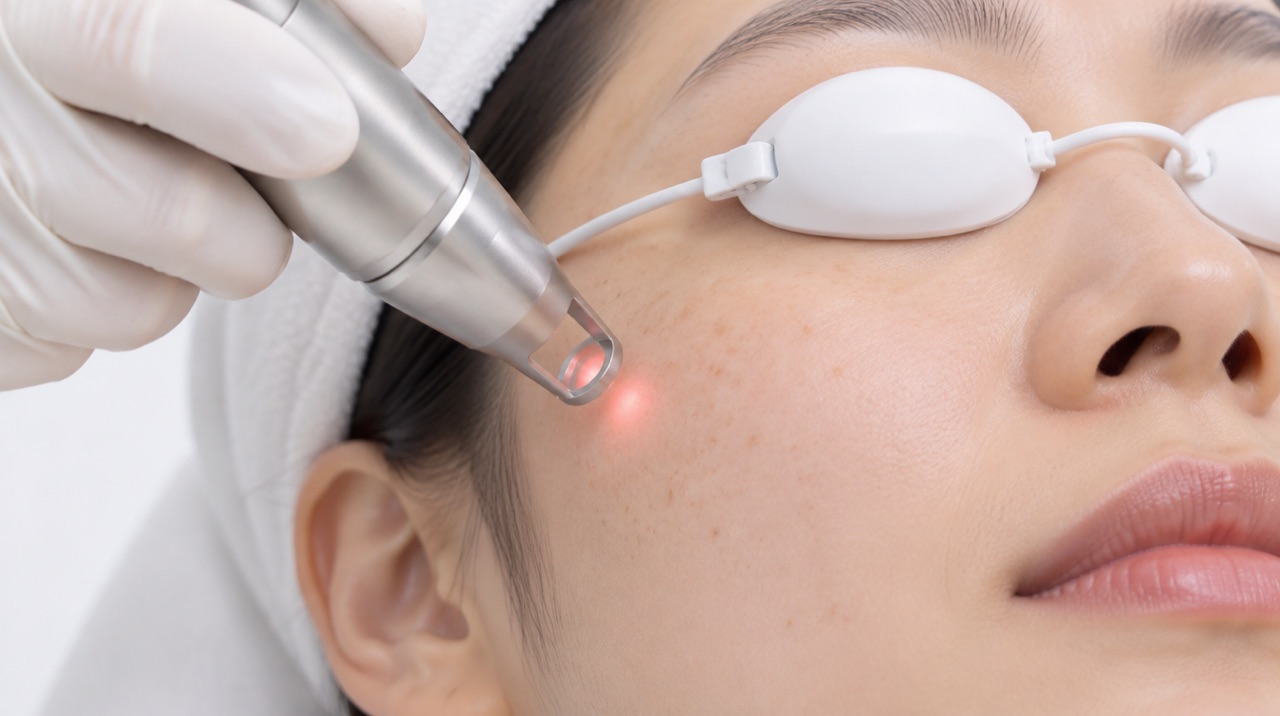
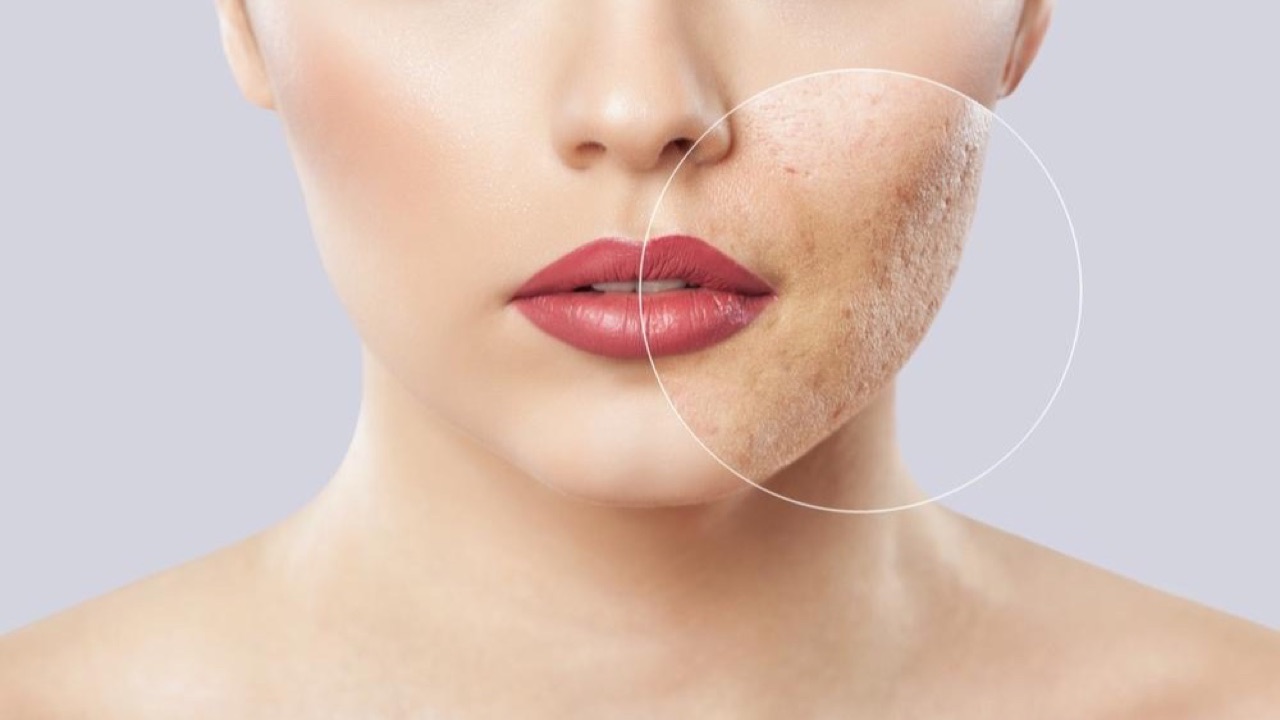
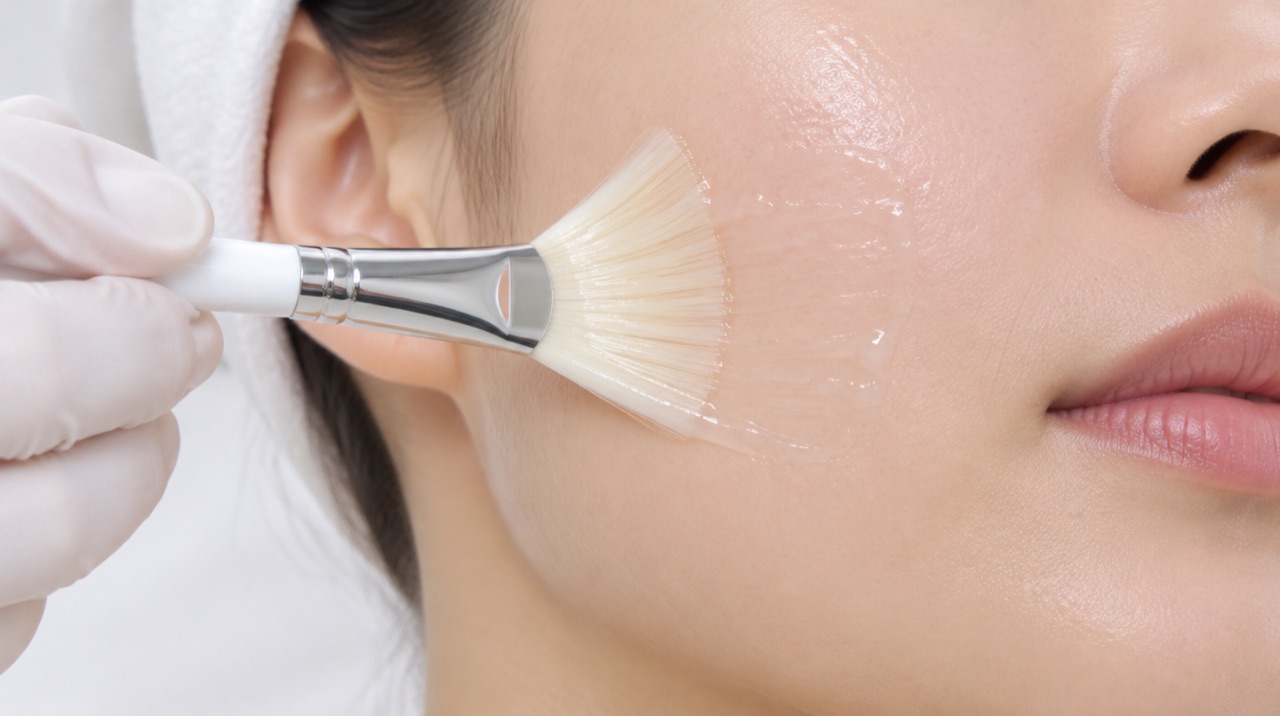
A drip will not treat true acne scars, melasma or deep pigmentation. For pigmentation, treatments with stronger evidence include pico laser toning, peels and prescription creams, and acne scar treatment for indented scars. For dullness, a facial or a skin booster usually does more. Daily sunscreen does more for an even tone than any drip.
Glutathione injection procedure
The procedure is simple, but it is still a medical one. The dose is set by a doctor, and no anaesthesia is needed. A session takes about 15 to 30 minutes.
- Consultation. The doctor asks about your health, allergies, medication and whether you are pregnant or breastfeeding, and confirms the dose.
- Preparation. The skin is disinfected, usually at the inner fold of the elbow.
- Finding a vein. A nurse or doctor locates a suitable vein and places a small IV line.
- The infusion. The glutathione solution, sometimes combined with vitamin C, is given slowly through the line by syringe or drip.
- Finishing. The line is removed and the spot is covered with a plaster or cotton pad.
You can go straight back to your day afterwards. Doses and schedules vary between clinics, so ask how much you will receive, how often and for how long.
Glutathione injection price in Korea
A glutathione injection is one of the lower-priced items on a Seoul clinic menu, and it is often sold as an add-on to a laser or facial. What you pay depends on:
- The dose and whether vitamin C or another drip is mixed in.
- Single session or package. Courses of five or ten sessions cost less per session.
- The level of clinic. Private, appointment-only clinics charge more than high-volume ones.
To see a typical price range in your own currency, open the skin treatment Korea price calculator and choose IV drips. Ask the clinic for a written quote that names the product and the dose, so you can compare like with like.
Glutathione injection before and after: results to expect
Do not expect a visible change after one session. People who notice a difference usually describe a gradual brightening over a course of sessions, most obvious as a fresher, more even look, not as a different skin colour. Some people see no change at all.
How often is it given? There is no agreed schedule. Clinics commonly suggest a session once or twice a week for several weeks, then occasional maintenance. The frequency should be set by a doctor, and more is not better.
How long does it last? Any effect is temporary. Skin makes new pigment continuously, so the tone returns to its natural baseline in the weeks to months after sessions stop, and sun exposure speeds that up.
Be cautious with glutathione injection before and after photos used in advertising. Lighting, makeup and retouching change skin tone in a photo far more than a drip does. Ask to see a clinic’s own patients, photographed in the same light.
Glutathione injection side effects and safety
Most people have no problems during a session, but an injection into a vein is never risk-free. Reported glutathione injection side effects include nausea, stomach cramps, skin rashes and pain, stinging or bruising at the injection site. Rare but serious reactions have been reported, including severe allergic reactions, and the long-term safety of repeated high doses has not been established. Health regulators in some countries, including the United States and the Philippines, have warned consumers about injectable skin-lightening products for these reasons.
To lower the risk:
- Have it done only in a licensed medical clinic, by a doctor or a nurse working under one. Avoid spas and unlicensed providers.
- Check that the product is a sealed, registered medicine, opened in front of you.
- Never inject products bought online, including vials sold as “Korean glutathione”. Their contents and sterility cannot be checked.
- Tell the doctor if you are pregnant or breastfeeding, have asthma, allergies, kidney or liver disease, or take regular medication. You may be advised not to have it.
- Tell the staff straight away if you feel unwell, itchy, short of breath or light-headed during the session.
Booking a glutathione injection in Korea as a visitor
Most Seoul skin clinics that treat international patients take glutathione injection bookings through an English web form or by WhatsApp, KakaoTalk or LINE. Send your concerns, a few clear photos and your travel dates, ask for a written quote that names the exact product or device and the amount, and bring your passport on the day. Leave a few days between treatment and your flight where you can, so the clinic can check you if anything needs attention.
Not sure whether glutathione injection is the right choice? Answer 12 quick questions for a personalised plan, compare skin clinics in Seoul, or read the complete guide to skin treatment in Korea. For official information on medical travel to Korea, including visas and patient support, see Medical Korea, the government portal for international patients.
Glutathione injection in Korea: frequently asked questions
How much does a glutathione injection cost in Korea?
It is one of the less expensive clinic treatments. The price depends on the dose, whether vitamin C or another drip is added, whether you buy a package and the level of clinic. The price calculator on this site shows a typical range for IV drips in Seoul in your own currency.
How long does a glutathione injection take?
A session takes about 15 to 30 minutes, including placing the IV line. There is no downtime and you can return to normal activities straight away.
How long does it take to see results from a glutathione injection?
Not after one session. People who notice a change usually describe a gradual brightening over several weeks of regular sessions, and some see no change. The evidence that injected glutathione lightens skin is limited.
How long does a glutathione injection last?
Any brightening is temporary. Because your skin keeps producing pigment, the effect fades in the weeks to months after sessions stop, and faster with sun exposure. Maintenance sessions are needed to keep it.
How often can you have a glutathione injection?
There is no agreed schedule. Clinics commonly suggest once or twice a week for a course, then less frequent maintenance. The dose and frequency should be decided by a doctor, and more is not better.
Is a glutathione injection permanent?
No. It does not permanently change your skin colour. Sun protection, good skincare and avoiding tanning do more to keep an even tone than repeated injections.
Is a glutathione injection safe? What are the side effects?
Many people have it without problems, but side effects such as nausea, cramps, rashes and bruising at the injection site can occur, and rare serious reactions have been reported. The long-term safety of repeated injections for skin brightening has not been established, so have it only in a licensed clinic after a health check.
What is the difference between the white jade injection and the Cinderella injection?
Both are beauty drips on Korean clinic menus. The white jade injection contains glutathione. The Cinderella injection is based on alpha-lipoic acid, another antioxidant. Clinics often sell them together or in combination.
Which glutathione brand do Korean clinics use?
Clinics use prescription glutathione products registered with Korea’s medicines regulator, and the brand varies by clinic. Ask to see the vial and have it opened in front of you. Be wary of injectable products sold online as Korean glutathione.
Why is my glutathione injection not working?
The effect on skin tone is modest at best and not everyone responds. Sun exposure quickly undoes any brightening, and a drip will not clear melasma, deep pigmentation or scars. If tone is your main concern, ask a doctor about treatments with stronger evidence, such as laser toning.
This guide is general information for travellers, not medical advice. Product details and clinic practices change, and suitability, dose and settings are decided by a licensed doctor after examining your skin.