What is Lala Peel?
Lala Peel is a professional peel solution used in Korean dermatology and aesthetic clinics. Its main active ingredient is lipohydroxy acid, also called capryloyl salicylic acid, a derivative of salicylic acid with a fatty chain attached. That chain makes it more oil-loving, so it works into the oily lining of the pore, and it also makes it penetrate more slowly and evenly, which is why it tends to irritate less than older peels.
Clinics often describe it as a newer-generation peel with little or no “frosting” and no sheets of peeling skin afterwards. You may see it spelled Lala Peel, LaLa Peel or Lhala Peel on English menus; it is the same treatment. Some menus list a generic LHA peel, which uses the same class of ingredient.
What does Lala Peel treat?
Because LHA targets oil and exfoliates gently inside the pore, Lala Peel is mainly chosen for:
- Enlarged or clogged pores and blackheads
- Excess sebum and shine
- Mild acne and frequent breakouts
- Rough, bumpy texture
- Dullness and a tired-looking complexion
It is a surface treatment. It can brighten and smooth, but it does not remove indented acne scars, lift sagging skin or clear melasma. Clinics pair it with other treatments for those concerns.
How Lala Peel compares with other peels
| Peel | Main ingredient type | Character |
|---|---|---|
| Lala Peel | LHA (oil-soluble) | Gentle, little visible peeling, pore and oil focused |
| Salicylic acid (BHA) peel | BHA (oil-soluble) | Stronger, more drying, classic acne peel |
| Glycolic or lactic acid (AHA) peel | AHA (water-soluble) | Surface brightening, can sting and flake |
| PHA peel | PHA (water-soluble, large molecule) | Very mild, hydrating, suited to sensitive skin |
| Aqua peel | Mild acids with water and suction | Mechanical pore cleansing, no downtime |
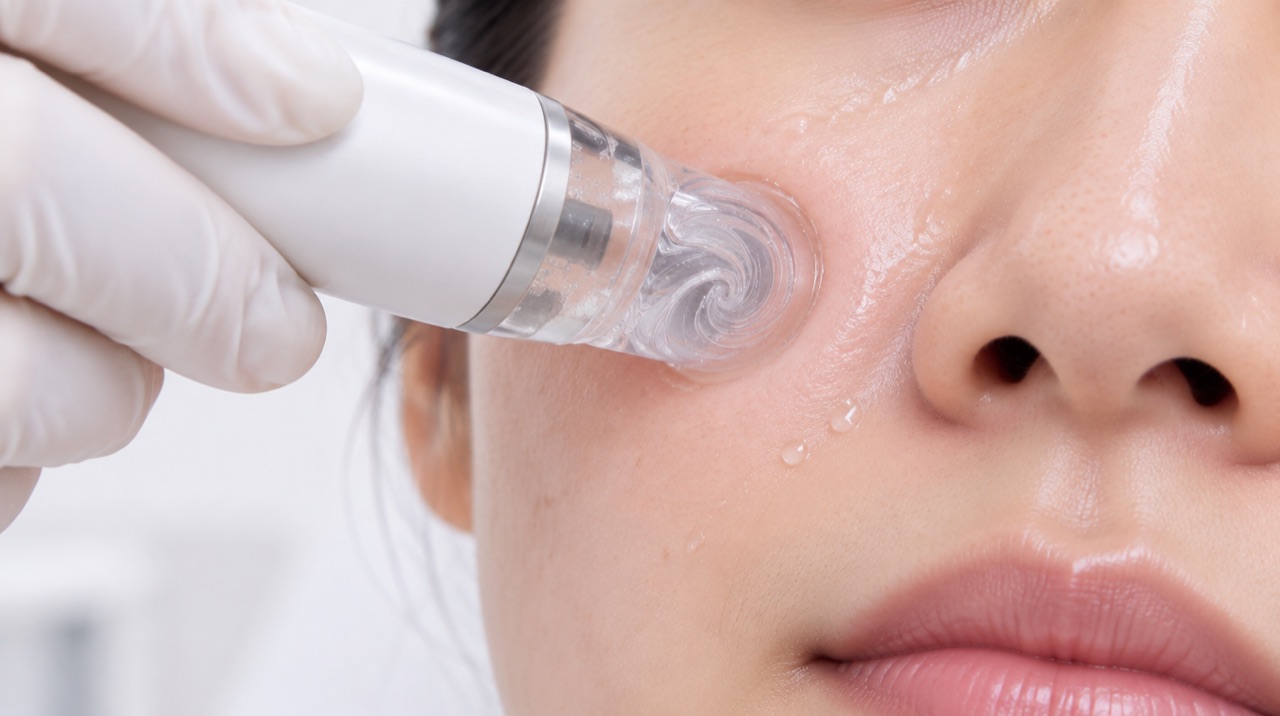
A common Seoul combination is an aqua peel to empty the pores followed by Lala Peel to refine them, sometimes with laser toning and calming ultrasound care in a single programme.
What happens during a Lala Peel
- Cleansing, and often an aqua peel or light extraction first.
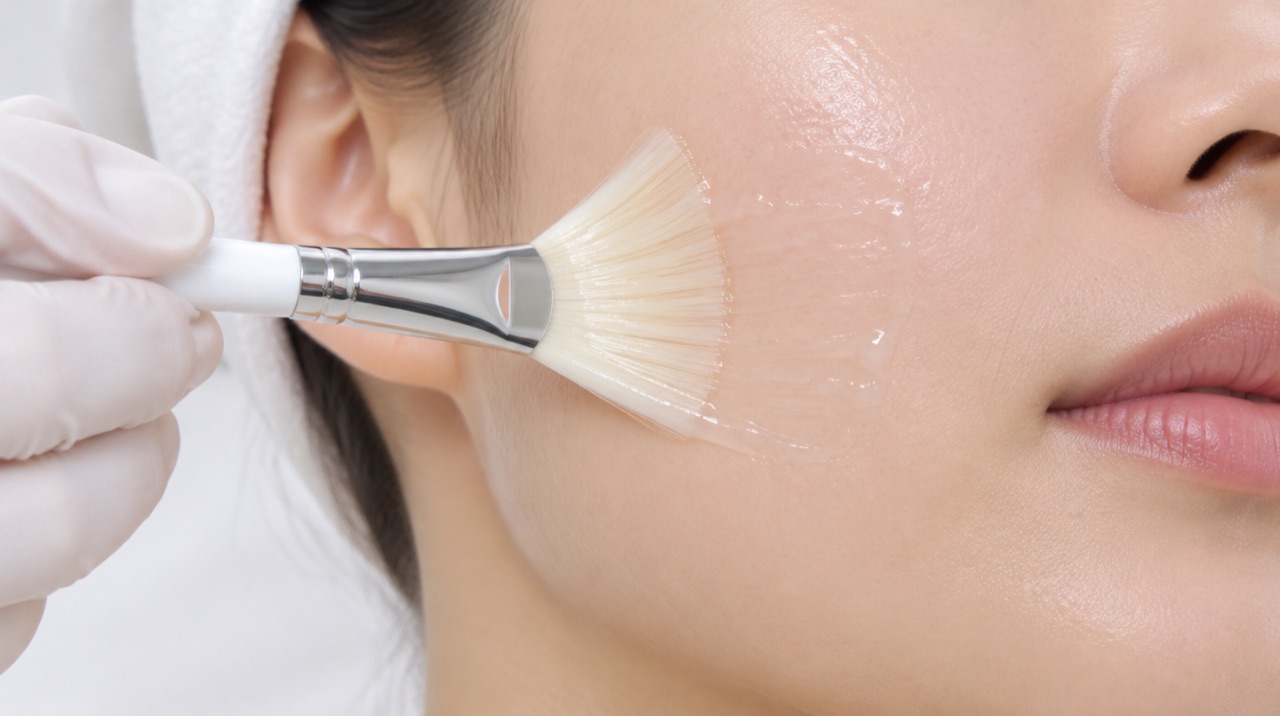
- The solution is applied with a brush or gauze and massaged in. You may feel mild tingling or warmth, usually less than with a traditional acid peel.
- After a few minutes the product is removed or neutralised, depending on the clinic’s protocol.
- Soothing care follows, commonly a calming mask, ultrasound care or LED light.
The peel itself takes only a few minutes; the full visit is around 20 to 30 minutes when combined with cleansing and soothing steps. It is usually performed by an aesthetician or nurse under a doctor’s direction.
Downtime and aftercare
Most people have no visible downtime. Slight pinkness can last an hour or two, and some notice fine, barely visible flaking or a tight feeling over the next few days. Makeup is usually fine the next day.
For several days afterwards, moisturise well, use sunscreen every day and pause retinoids, scrubs and other exfoliating acids. If you are having a laser or injectable treatment on the same trip, tell the clinic so that the order and spacing can be planned.
How many sessions?
A single Lala Peel gives a short-term glow and smoother feel. For oil control, breakouts and texture, clinics generally recommend a course of three to five sessions spaced one to two weeks apart, then occasional maintenance. On a week-long trip one session is realistic; on a longer stay two can fit, with the second near the end.
Who should avoid or take care with Lala Peel
Although it is marketed as gentle, it is still an acid peel. Avoid it, or seek advice first, if you have an allergy to salicylates or aspirin, eczema or dermatitis in the area, a sunburn, open wounds, active cold sores or very inflamed cystic acne. Tell the clinic if you are pregnant or breastfeeding, have used isotretinoin recently, are using prescription retinoids, or have had waxing, laser or another peel in the past week or two.
Questions to ask a Seoul clinic about Lala Peel
- Is this the Lala Peel product or another LHA peel?
- What is included before and after it?
- Can it be combined with my other treatments on the same day?
- How many sessions do you suggest for my skin, and how far apart?
Booking Lala Peel in Seoul as a visitor
Most Seoul skin clinics that treat international patients take Lala Peel bookings through an English web form or by WhatsApp, KakaoTalk or LINE. Send your concerns, a few clear photos and your travel dates, ask for a written quote that names the exact product or device and the amount, and bring your passport on the day. Leave a few days between treatment and your flight where you can, so the clinic can check you if anything needs attention.
Not sure whether Lala Peel is the right choice? Answer 12 quick questions for a personalised plan, compare skin clinics in Seoul, or read the complete guide to skin treatment in Korea.
Lala Peel in Korea: frequently asked questions
Does Lala Peel make your skin peel?
Usually not visibly. It is designed to exfoliate with little or no flaking, although some people notice fine dryness or tightness for a few days.
Is Lala Peel good for acne?
It is commonly used for oily, acne-prone skin and mild breakouts because LHA works inside the pore. Moderate or severe acne needs a dermatologist’s treatment plan.
How often can I get Lala Peel?
Clinics generally space sessions one to two weeks apart for a course of three to five.
Can I do Lala Peel and aqua peel together?
Yes. It is one of the most common combinations in Korean clinics: the aqua peel clears the pores and Lala Peel refines them.
Is Lala Peel safe for sensitive skin?
It is milder than many acid peels, but sensitive skin can still react. Tell the clinic about your skin type so that contact time can be adjusted, or ask about a PHA peel instead.
This guide is general information for travellers, not medical advice. Product details and clinic practices change, and suitability, dose and settings are decided by a licensed doctor after examining your skin.