What are acne scars?
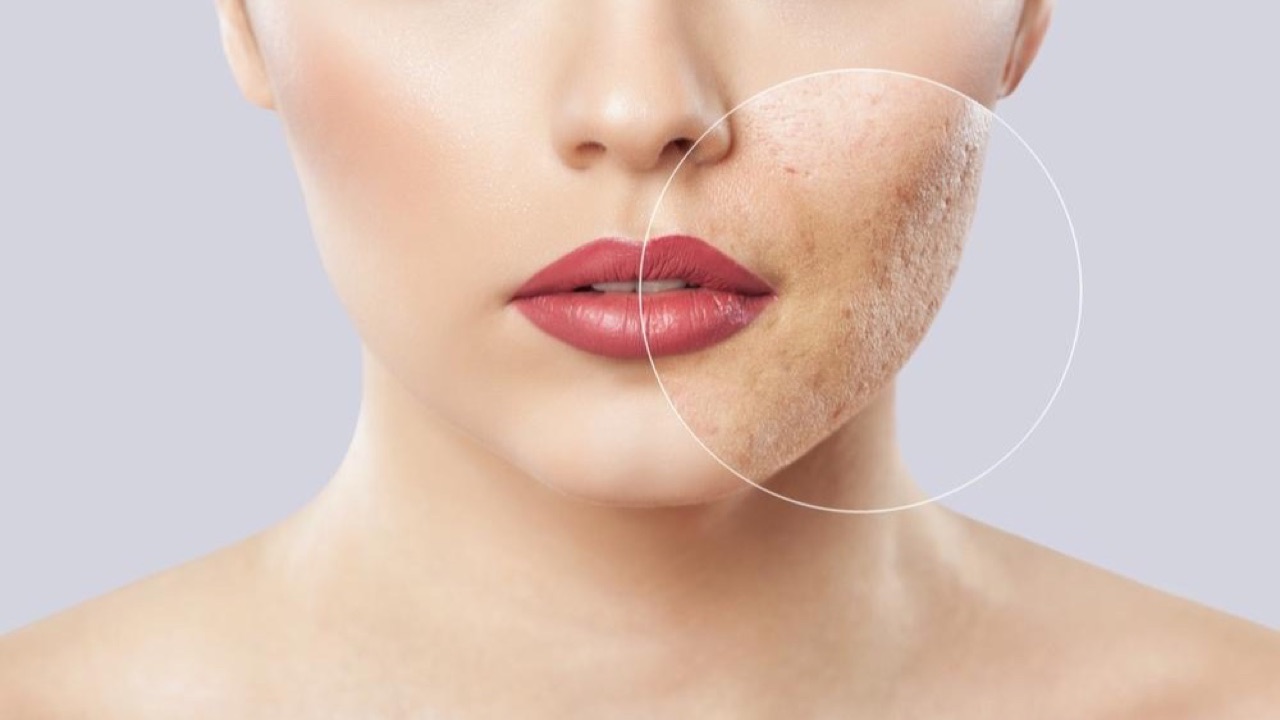
Acne scars are lasting changes in the texture of the skin left behind by inflamed acne breakouts. They are often confused with acne marks: the flat red or brown spots that follow a pimple. Marks are temporary and fade over months. Scars are a change in the skin’s structure and do not go away on their own.
Scarring is very common. One published review estimates that some degree of scarring affects up to 95% of people with acne, although most cases are mild.
Doctors sort acne scars by shape, because each type responds to different treatments:
- Ice pick scars. Narrow, deep pits, like a large open pore.
- Boxcar scars. Wider depressions with sharp, defined edges.
- Rolling scars. Broad, shallow dips with soft edges that give the skin a wavy look.
- Raised scars. Firm, thickened scars (hypertrophic or keloid), more common on the jawline, chest and back.
The first three are called atrophic scars, meaning the skin has lost tissue. Most people have a mix of types, which is why a plan usually combines more than one treatment.
Why treat acne scars?
Acne and the scars it leaves can affect far more than the skin. People with visible scarring often describe feeling self-conscious at work, in photos and in social situations. Studies of acne scar treatment report benefits that go beyond appearance:
- Smoother, more even-looking skin
- Higher self-esteem and confidence
- Less distress about appearance
- A more comfortable social life
- Better mood and quality of life
Treatment improves scars; it does not erase them. A realistic goal agreed with your doctor at the start is the best predictor of being happy with the result.
Acne scar treatment options
Acne scars are stubborn. Marks fade slowly on their own, but true scars need treatment to improve. These are the main options a doctor may suggest, alone or in combination.
Chemical peels
A chemical solution is applied to speed up the skin’s natural exfoliation. Peels differ in how deeply they work. Glycolic acid, salicylic acid and trichloroacetic acid (TCA) are the best known. Light peels help with marks and texture; a high-strength TCA technique is sometimes used inside individual ice pick scars. In Seoul, gentle peels such as the Lala Peel are often added to a scar programme.
Dermabrasion and microdermabrasion
Dermabrasion was one of the first acne scar treatments. It mechanically removes the surface of the skin down to the upper dermis so that smoother skin grows back, and it needs real healing time. Microdermabrasion removes only the outermost layer. It is gentle enough to repeat at short intervals, but it helps with surface texture more than with true scars.
Laser resurfacing
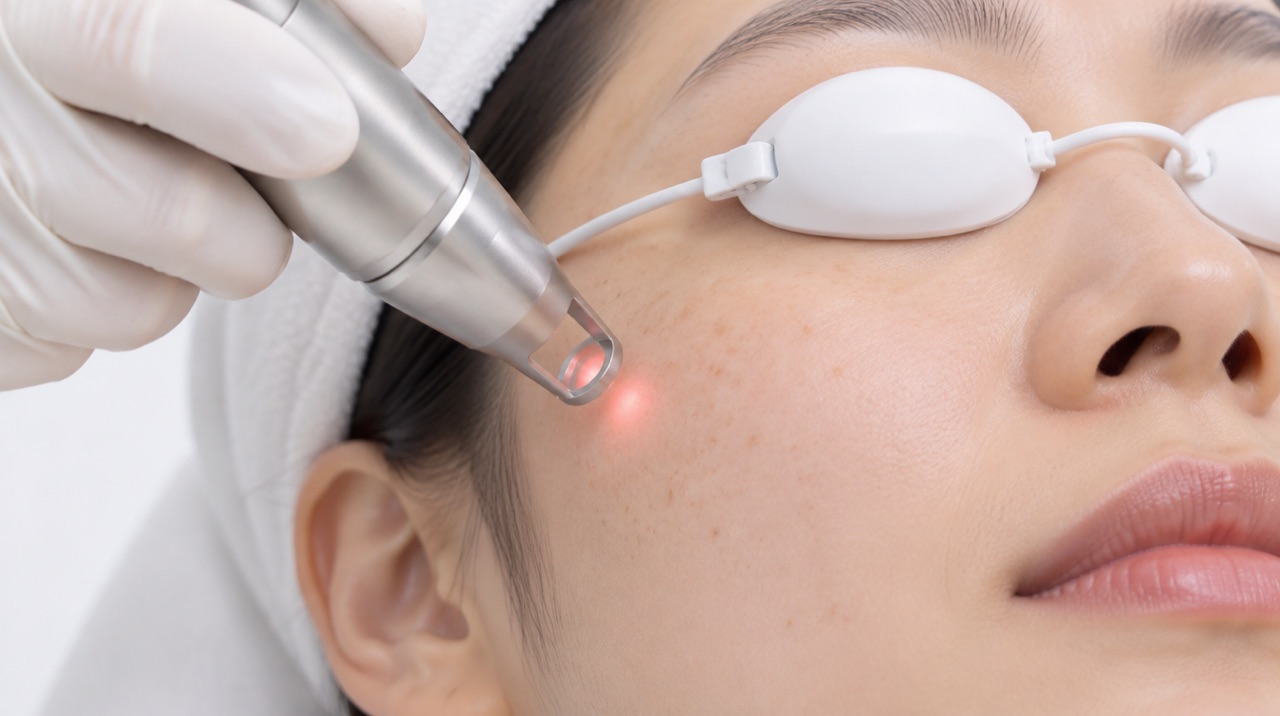
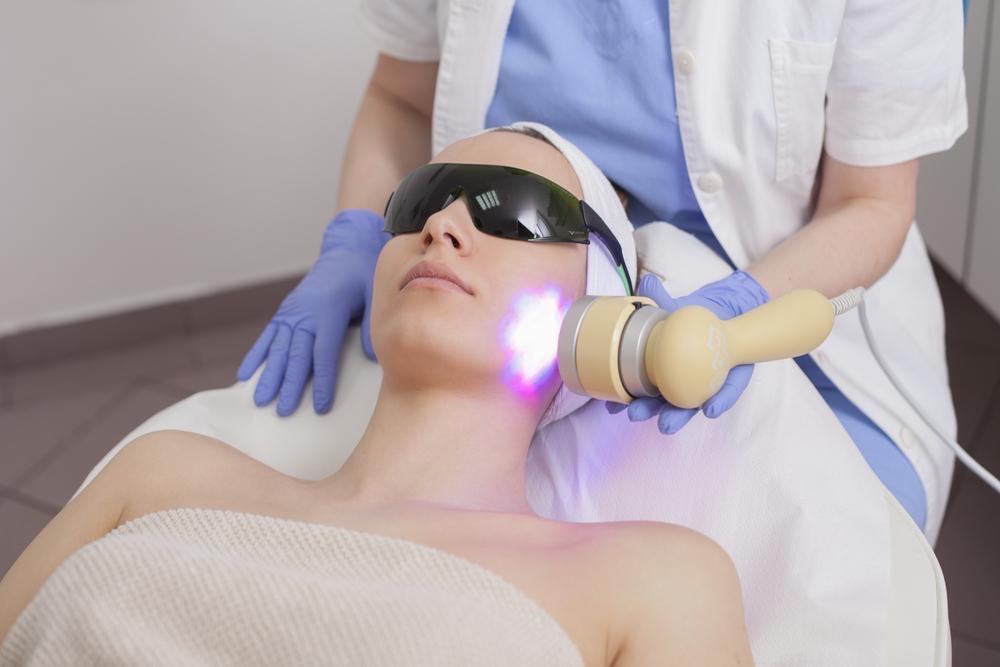
Laser resurfacing is among the most effective treatments for indented scars. There are two kinds. Ablative lasers, such as CO2 and erbium, vaporise thin layers or tiny columns of skin. As the skin heals it makes new collagen and the surface becomes smoother. Non-ablative lasers leave the surface intact and heat the deeper layer directly, so collagen is produced with far less downtime, usually over more sessions. Fractional lasers such as Fraxel treat a grid of microscopic points and are the most common choice in Korea.
Fat grafting
Fat is taken from another part of your own body, processed and injected under depressed scars to lift them. It suits broad, deep volume loss. Because it involves a small harvesting procedure, it carries the usual risks of minor surgery, and some of the fat is reabsorbed over time.
Dermal filler and booster injections
Fillers, most often hyaluronic acid, plump up individual indented scars. The effect is immediate but temporary. Korean clinics also use collagen-stimulating boosters such as Juvelook, which are injected across scarred areas to rebuild support gradually.
Topical treatments
Prescription creams, such as retinoids, are suitable only for mild scarring and marks. They are most useful alongside in-clinic treatments and for keeping new breakouts under control.
Steroid injections
For raised scars, a steroid is injected into the scar to soften and flatten it. Several injections a few weeks apart are usually needed.
Punch techniques
A small circular tool, like the one used in hair transplants, cuts out a deep scar. The skin is then closed with a fine stitch or filled with a tiny skin graft. This is used for isolated ice pick and deep boxcar scars that do not respond to resurfacing.
Also common in Korea: microneedling and subcision
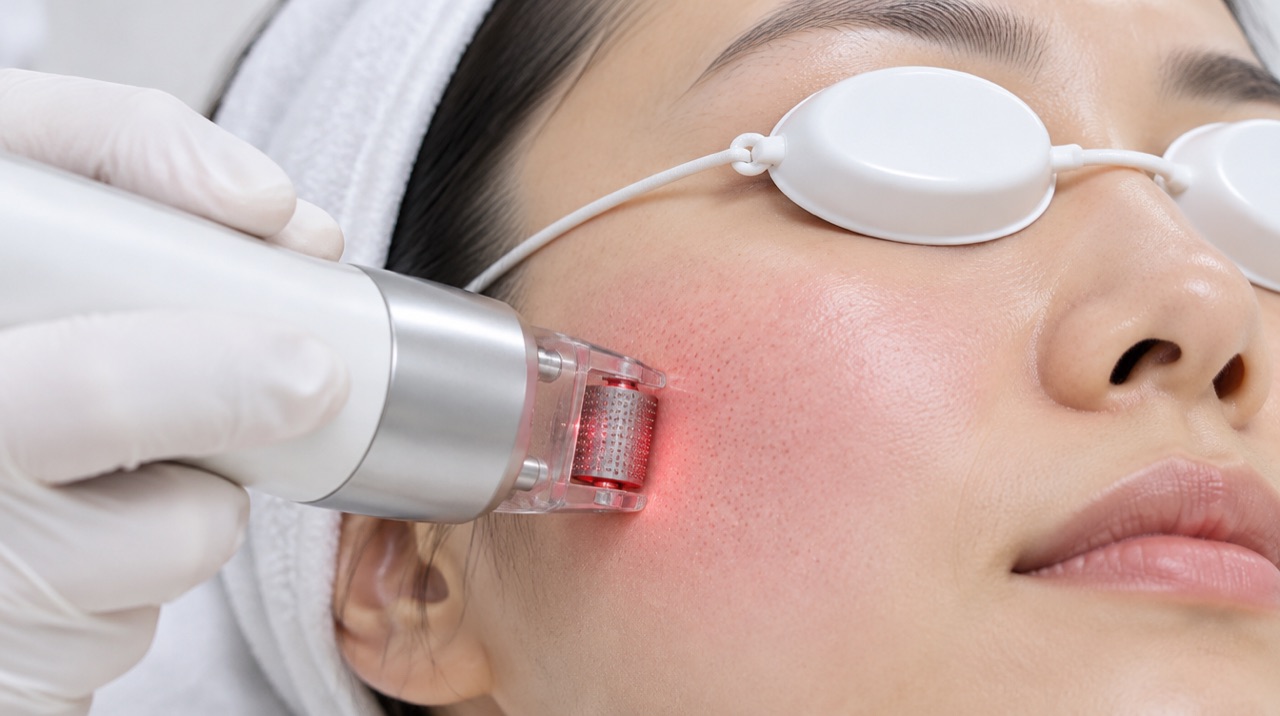
Seoul clinics often build scar programmes around RF microneedling, which delivers heat through fine needles, and subcision, where a needle releases the fibrous bands that pull rolling scars down. Both are usually combined with a laser or a booster in the same visit.
Which treatment suits which scar?
| Scar type | Treatments often used |
|---|---|
| Ice pick | TCA applied inside the scar, punch techniques, fractional laser |
| Boxcar | Fractional laser, RF microneedling, punch techniques for deep scars |
| Rolling | Subcision, fillers or collagen boosters, fractional laser, RF microneedling |
| Raised | Steroid injections, vascular laser |
| Dark or red marks | Sunscreen, topical treatments, light peels, laser toning |
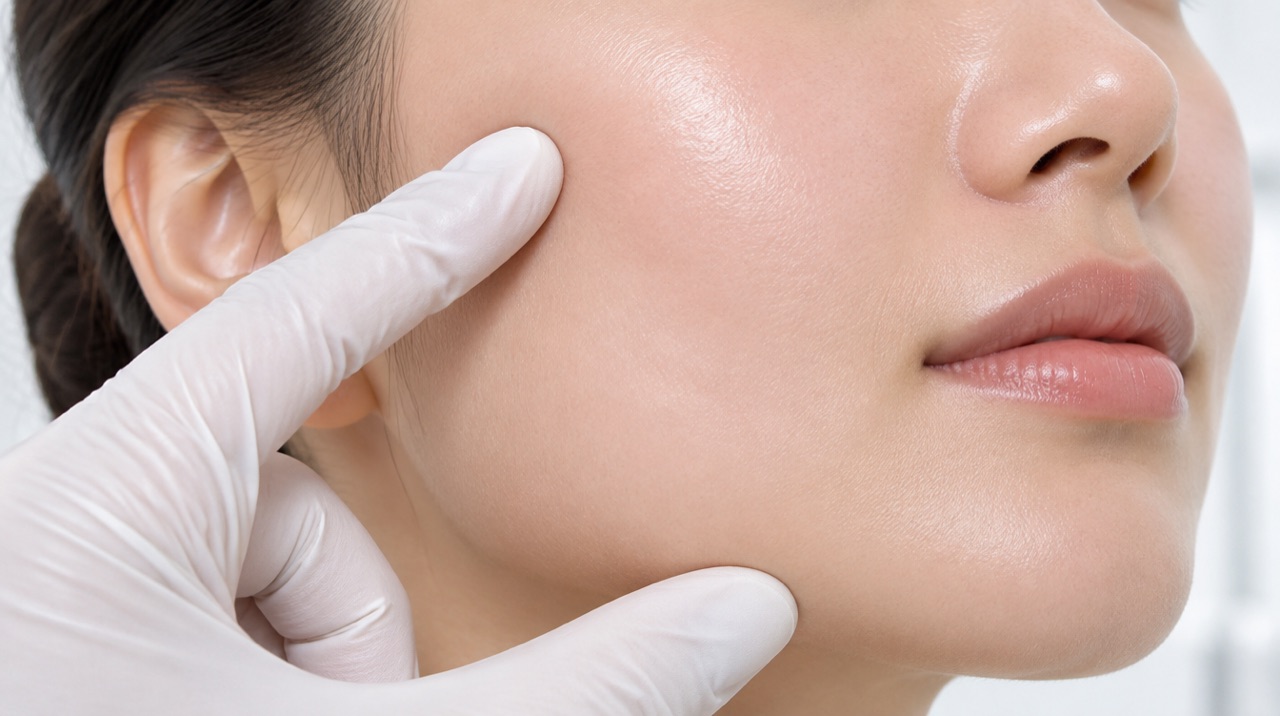
This is a general guide. The right combination depends on your scar types, skin tone and how much downtime you can take, and is decided by a doctor after examining your skin. Active acne is normally brought under control before scar work begins.
Acne scar treatment recovery
Recovery depends on the treatment. Whatever you have done, stay out of the sun and use sunscreen every day while your skin heals, because new skin burns and darkens easily.
Lighter treatments, such as topical treatments, steroid injections, fillers, boosters, light peels and microdermabrasion, usually mean one to three days of visible downtime, with full recovery within about a week. Expect mild swelling, redness or small bruises that can normally be covered with makeup once your doctor allows it.
Deeper treatments, such as ablative or fractional laser resurfacing, dermabrasion, deeper peels, subcision and punch techniques, bring more swelling and redness, and sometimes bruising, pinpoint bleeding or crusting. This is expected and settles over the following days. Your doctor may prescribe pain relief and a healing ointment, and some areas may be covered with a dressing that you change as instructed. Keep the skin clean, do not pick at peeling skin, and expect some itching as the treated layer sheds. The surface usually heals within one to two weeks, though pinkness can last longer.
If you are travelling, plan deeper treatments for the start of your trip so the clinic can check your skin before you fly home.
Results: what to expect before and after
Scar treatments work by removing damaged surface skin and by prompting the skin to make new collagen. Collagen forms slowly, so results build over weeks to months after each session, and the skin looks smoother and more even as the scars become shallower.
Most people need a series of sessions, and deep scars improve but rarely vanish. When a clinic shows you before and after photos, ask whether they are its own patients, how many sessions were done and how long after treatment the photo was taken. Photos should be taken in the same light and from the same angle to be a fair comparison.
Prices depend on the device, the number of sessions and the clinic. The price calculator shows typical ranges in Seoul for scar lasers and boosters.
Booking acne scar treatment in Korea as a visitor
Most Seoul skin clinics that treat international patients take acne scar treatment bookings through an English web form or by WhatsApp, KakaoTalk or LINE. Send your concerns, a few clear photos and your travel dates, ask for a written quote that names the exact product or device and the amount, and bring your passport on the day. Leave a few days between treatment and your flight where you can, so the clinic can check you if anything needs attention.
Not sure whether acne scar treatment is the right choice? Answer 12 quick questions for a personalised plan, compare skin clinics in Seoul, or read the complete guide to skin treatment in Korea. For official information on medical travel to Korea, including visas and patient support, see Medical Korea, the government portal for international patients.
Acne scar treatment in Korea: frequently asked questions
How long does it take for acne scars to go away?
Flat red or brown marks usually fade over three months to a year, depending on how quickly your skin heals. True indented or raised scars are permanent and need treatment to improve. Treating acne early, before deep inflammation develops, is the best way to prevent scarring.
Why are acne scars dark?
Dark marks after acne are called post-inflammatory hyperpigmentation, or PIH. Inflammation makes the skin produce extra melanin, which leaves a darker patch. It is more common in people with darker complexions and those who tan easily. PIH is a mark, not a true scar, and fades with time, sun protection and brightening treatments.
How many sessions are needed to treat acne scars?
It depends on the type of scar, where it is, how severe it is and how your skin responds. Most scar programmes involve several sessions spaced weeks apart, and doctors often combine treatments, for example subcision with a fractional laser, to get a better result.
What can I expect after acne scar treatment?
Expect some redness and swelling, with little or no pain for lighter treatments and more for deeper ones. Your skin will need gentle cleansing, the ointment or skincare your doctor recommends, and strict sun protection, because newly treated skin burns and darkens easily.
Can acne scars be removed completely?
Usually not completely. Treatment can make scars much shallower and less noticeable, and many people are happy with the improvement, but deep scars rarely disappear. A doctor can tell you what is realistic for your skin after examining it.
Can I have acne scar treatment on a short trip to Korea?
Yes, for a first session. Lighter treatments fit into a few days. For laser resurfacing or subcision, allow about a week before flying if you can, and plan for follow-up sessions on a later visit or with a doctor at home.
This guide is general information for travellers, not medical advice. Product details and clinic practices change, and suitability, dose and settings are decided by a licensed doctor after examining your skin.